Service
Dental chair and treatment-unit servicing
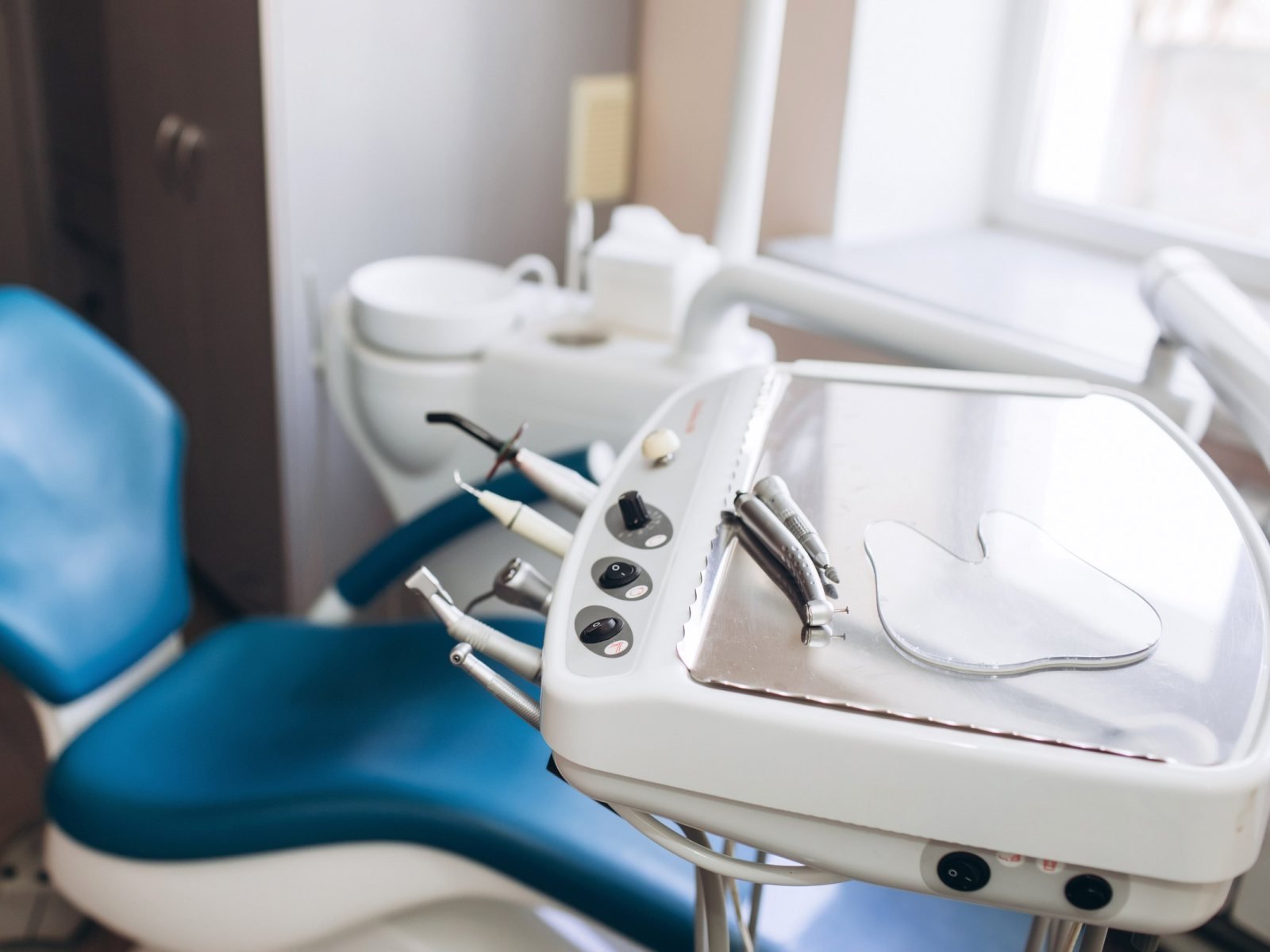
Planned servicing that keeps your chairs and treatment units working between visits: movement, controls, air and water delivery, the operating light and suction connections checked and serviced around your sessions, with a clear record afterwards.
Who this is for
For principals and practice managers who want chairs and units serviced on time and around clinical sessions, with a clear picture of what was checked and what needs attention next.
A chair that stops mid-session costs you the surgery for the rest of the day. Planned servicing catches worn hoses, sticking valves and slow movements while they are still cheap to deal with, so the surgery keeps running and faults do not arrive as surprises.
We test each function of the chair and unit, service the parts the manufacturer says need attention and tell you plainly what condition the equipment is in. Visits are arranged around your sessions, and each chair gets a record of what was done and when it is next due.
What we check
- Every chair movement, programmed position, limit and safety stop
- Touchpad, foot control and any fault indicators or error codes
- Pneumatics: regulators, valves, couplings and internal tubing for leaks and pressure
- Water delivery to handpieces, syringe and cup filler, and the condition of the tubing
- Leaks at the unit, cuspidor, hoses and connections
- Operating light output, movement and switching
- Chairside suction hoses, tips and couplings for wear and pull-through
- Upholstery, headrest and armrest condition and fixings
What happens during the visit
You tell us
which chairs and units, their make and model, and anything the team has noticed.
We confirm
the models we can support, the scope of the visit and any parts likely to be needed.
On the day
visits are planned around your sessions; we confirm the assets and follow your site controls.
The work
each chair and unit is inspected, tested and serviced to the manufacturer's schedule for that model.
Before we leave
functional tests are repeated and the status agreed with you: serviceable, attention needed or action required.
Afterwards
a service record for each chair, the next service date, and any recommended repair listed with a priority.
What you receive afterwards
A clear record of what was done, what needs attention and what is due next.
- A service record for each chair and unit: model, serial, tasks completed, parts used
- An operating status for each asset, with the reason
- Observed defects and recommended repairs, each with a priority
- Notes on anything not accessible or outside the agreed work
- The next service due date, recorded against the asset
Need chair and unit servicing?
Tell us the equipment and what it is doing. We will tell you what we can do and what it is likely to involve.
- info@dynamodental.co.uk
- WhatsApp us
- Monday to Friday, 8am to 6pm
More about chair and unit servicing
Common problems we investigate
- The chair is due a service, or nobody is sure when it was last done
- Movement has become slow, jerky or noisy
- Water or air pressure at the handpieces is inconsistent
- There is a leak under the unit or around the cuspidor
- The operating light flickers or will not stay in position
What is included, and what is not
Outside this service
- Repairs beyond minor adjustments, which are quoted once diagnosed
- Handpiece servicing and repair
- Waterline testing, disinfection programmes and Legionella risk assessment
- Autoclaves, washer-disinfectors and their validation
- Electrical installation testing and portable appliance testing
- Calibration: a functional check confirms operation, not accuracy
- Models for which service information or parts are no longer available; we confirm support for your specific equipment before booking
Included
- Functional inspection and testing
- Manufacturer-specified service tasks for the model
- Cleaning and lubrication where specified
- Routine consumables agreed in advance
- Minor adjustments within the visit
- A written record for each asset
A service record is evidence that the chair was serviced and what was found. It is not a certificate, and it does not replace statutory examinations, validation or electrical testing by the appropriate competent person.
In more technical detail
One chair, several systems
A dental chair is a motorised patient chair, a delivery unit carrying air, water and power to the instruments, an operating light, a cuspidor with its drain, and the suction connections. Each has its own failure pattern and its own manufacturer schedule, so the service is organised system by system rather than as a general look-over.
What the record is for
Every service produces a list of what is worn and what should be planned for, separating items that need attention now from those that can be watched. If a part is no longer available for a model, that is recorded, because it changes the repair-versus-replacement conversation before it becomes urgent.
Related services and guides
Questions
Questions about chair and unit servicing
How often should a dental chair be serviced?
Follow the manufacturer's interval for the model, which for most chairs and units is annual. Heavier use, older equipment or a history of faults may justify a shorter interval. The record sets the next due date so the practice does not have to remember it.
Is a service report the same as a certificate?
No. A service report records what was inspected, what was done, what was found and the operating status on the day. It is evidence of maintenance, not a certificate, and it does not replace statutory examinations or validation by the appropriate competent person.
Can visits be planned around clinic sessions?
Yes. Planned servicing is diarised around your sessions, and most chair and unit work can be done between patients or in a closed session. Where a chair will be out of use for a period, we agree that in advance.
What happens if you find a fault during a service?
Minor adjustments that fit within the visit are done there and then. Anything larger is recorded with a priority and quoted separately, so that you decide what goes ahead. Where a fault makes the chair unsafe, we say so and record it as out of use until resolved.